Renowned for their ability to add shimmering color and a radiant glow, mica pigments have become a staple in the cosmetics industry. These natural pigments, derived from mica minerals, reflect light, enhancing the vibrancy and luminosity of makeup products like eyeshadows, highlighters, blushes, and lipsticks.
As the demand for clean and sustainable beauty products rises, consumers are increasingly concerned about the safety and environmental impact of the ingredients they use. While mica pigments are generally safe for the skin, the environmental and ethical challenges of mica mining have led to greater scrutiny regarding their sourcing and sustainability.
With growing awareness of both skin safety and eco-friendliness, it’s crucial to assess whether mica pigments meet the standards for healthy beauty and environmental responsibility.
Are Mica Pigments Safe for Your Skin?
Mica pigments are commonly used in cosmetics for their ability to add shimmer, color, and glow. While mica pigments are generally considered non-toxic and safe, it's important to understand their safety, especially for sensitive skin.
1. Non-Toxic Nature of Mica Pigments
Mica pigments are derived from mica, a natural mineral, and are typically coated with mineral oxides to create color and shimmer. These pigments are generally safe for the skin and do not pose health risks when used in cosmetics. They are inert, meaning they don’t release harmful chemicals, making them a popular and stable ingredient in makeup.
2. Allergies and Skin Irritation
Though mica is non-toxic, some individuals may experience skin irritation or allergic reactions to other ingredients in cosmetics, such as preservatives or fragrances. People with sensitive skin may be more prone to reactions. To avoid irritation, choose dermatologically tested and hypoallergenic products. Conduct a patch test before using new products extensively to minimize the risk of irritation.
3. Importance of Dermatologically Tested Mica Pigments
For added peace of mind, select dermatologically tested products, especially if you have sensitive skin. These products have been specifically tested for safety, ensuring they are less likely to cause irritation. Reputable brands that prioritize transparency and quality are more likely to offer products that are safe for your skin.
4. Natural Mica vs. Synthetic Alternatives
Natural mica is generally safe for the skin and is the preferred choice in cosmetics. Synthetic mica alternatives, such as synthetic fluorphlogopite, mimic mica’s effects but may contain chemical additives. These synthetic alternatives can also be safe, provided they are of high quality and meet safety standards. Always check the product labeling to ensure the mica used is safe for your skin.
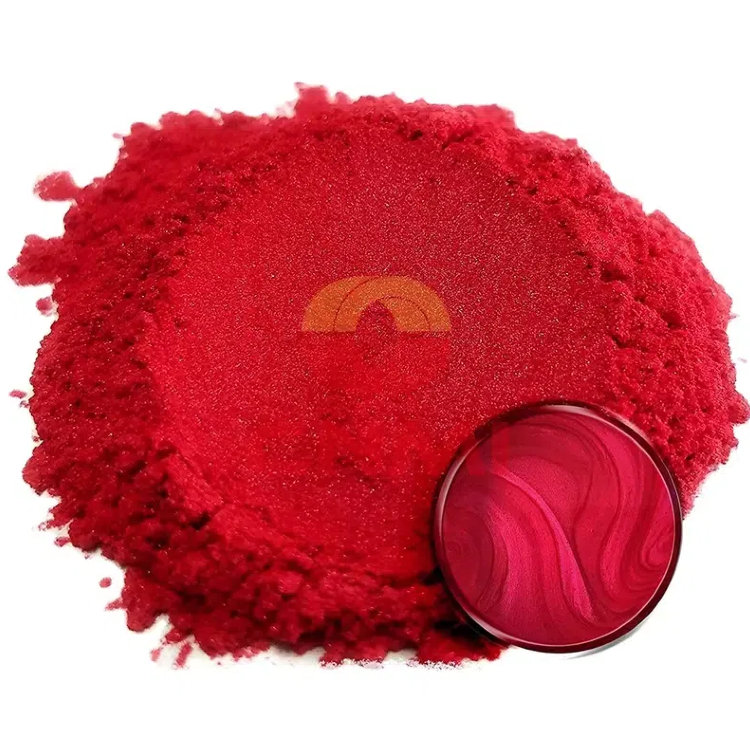
Mica Pigments and Eco-Friendliness
Mica pigments are a key ingredient in cosmetics, adding shimmering effects and vibrant colors to makeup products. However, the environmental impact of mica mining has raised concerns over its sustainability and ethical implications. This section explores the environmental challenges of mica mining, the growing push for sustainable sourcing, and how recycled mica can help reduce environmental damage.
1. The Environmental Impact of Mica Mining
Mica mining, particularly in regions like India and Africa, is often associated with significant environmental degradation. The extraction process can lead to deforestation, soil erosion, and water pollution, negatively impacting local ecosystems. Additionally, unregulated mining operations can cause severe land damage and disturb local communities. In some cases, illegal or unsafe mining practices have led to exploitation of workers, including child labor and poor working conditions.
The environmental and ethical issues tied to mica mining have drawn attention from both consumers and the beauty industry, prompting a search for more sustainable practices.
2. Sustainable Mica Sourcing Practices
To address these concerns, there has been a growing movement towards sustainable mica sourcing. Sustainable practices aim to reduce the environmental impact of mining while ensuring fair labor conditions. These practices include:
Responsible Mining: Companies are increasingly working with certified mining operations that adhere to environmental standards, ensuring that the land is restored after extraction and that local communities are not harmed.
Fair Labor Practices: Ethical sourcing practices focus on fair wages, safe working conditions, and the elimination of child labor in mica mining. Companies that prioritize fair trade are partnering with suppliers committed to improving labor conditions.
Sustainable sourcing also involves the use of transparent supply chains, where companies disclose the origin of their mica and demonstrate their commitment to ethical sourcing.
3. Companies Committed to Ethically Sourced Mica
Several cosmetics companies are leading the way in using responsibly sourced mica. These companies ensure their mica is mined with minimal environmental impact and under fair labor conditions. Examples of commitments include:
L'Oréal: L'Oréal has pledged to use ethically sourced mica and is working with NGOs and suppliers to improve the sustainability of their mica supply chain.
Estée Lauder: The company has joined the Responsible Mica Initiative, which aims to promote sustainable and ethical mica sourcing.
BareMinerals: This brand uses responsibly sourced mica in its products, supporting the use of eco-friendly production methods to reduce the environmental footprint of their cosmetics.
These companies are setting a positive example by prioritizing sustainability and ethical sourcing, paving the way for others in the beauty industry to follow.
4. The Role of Recycled Mica in Reducing Environmental Damage
An increasingly important solution to the environmental challenges posed by mica mining is the use of recycled mica. Recycled mica is sourced from leftover materials and scrap from the mining and manufacturing processes, reducing the need for new extraction. Using recycled mica helps:
Minimize Waste: By recycling leftover mica, companies can reduce waste generated by the mining process, making the supply chain more sustainable.
Lower Environmental Impact: Recycled mica helps reduce the environmental damage associated with new mining, including deforestation, soil erosion, and water contamination.
Support Sustainability: The use of recycled mica is an effective way to promote a more sustainable and circular economy within the beauty industry.
Many brands are starting to incorporate recycled mica into their products as part of their broader commitment to sustainability. This innovation offers a viable solution to the challenges posed by traditional mica mining.
Benefits of Using Mica Pigments in Cosmetics
Mica pigments offer a range of benefits, making them a popular choice in the cosmetics industry. From being safe for the skin to their versatility in makeup, mica pigments bring multiple advantages to beauty products.
1. Non-Toxic, Safe for All Skin Types, and Hypoallergenic
Mica pigments are naturally non-toxic and hypoallergenic, making them safe for all skin types, including sensitive skin. They are free from harmful chemicals, reducing the risk of irritation or allergic reactions, which makes them a skin-friendly option for products like eyeshadows, blushes, and foundations.
2. Versatility in Makeup Formulations
Mica pigments are highly versatile, allowing for a variety of effects:
Shimmer: Perfect for creating a glowing finish in highlighters and eyeshadows.
Metallic: Mica pigments can be coated to give products a bold metallic shine, ideal for dramatic eyes and lips.
Matte: Mica can also be processed to create smooth, matte pigments, used in matte eyeshadows and blushes.
This versatility allows brands to offer diverse textures and finishes, making mica pigments essential in makeup formulations.
3. Sustainability Improvements in Sourcing and Production
With growing concerns about sustainability, many brands are focusing on ethically sourced mica, ensuring that mining practices are environmentally responsible and fair to workers. The industry is also embracing recycled mica, which reduces the need for new extraction and helps lower the environmental impact of mica mining.
Tips for Choosing Safe and Eco-Friendly Mica Pigments
When selecting mica pigments for cosmetics, it’s important to prioritize both safety and sustainability. Here are some tips to help you choose the best options that are both gentle on the skin and eco-friendly.
1. Look for Cruelty-Free and Ethically Sourced Labels
One of the first things to check when choosing mica pigments is whether the product is cruelty-free and ethically sourced. Look for certifications like Leaping Bunny or PETA to ensure that the brand does not test on animals. Additionally, choose brands that are committed to using ethically sourced mica, meaning the mica is mined responsibly with fair labor practices, reducing the impact on local communities and ecosystems.
2. Select Products from Brands That Disclose Sourcing Practices
Transparency is key when it comes to sustainable sourcing. Choose products from brands that openly disclose where they source their mica and how it’s produced. Brands that are committed to sustainable practices often partner with certified suppliers who ensure the mica is harvested with minimal environmental impact and in compliance with ethical labor standards.
3. Check for Dermatologically Tested Products
To ensure the safety of the mica pigments on your skin, especially if you have sensitive skin, look for products that are dermatologically tested. These products are tested for irritation and allergens, helping to minimize the risk of skin reactions. Choosing hypoallergenic options is also a good idea to avoid potential irritants and ensure the product is safe for all skin types.
FAQ Section
1.Are mica pigments safe for all skin types?
Mica pigments are generally safe for all skin types, including sensitive skin, as they are non-toxic. However, irritation may occur from other ingredients in the product. For sensitive skin, choose dermatologically tested products and perform a patch test to ensure no reaction.
2.How do I know if the mica pigments in a product are ethically sourced?
Look for brands that provide transparency about their sourcing practices. Certifications like Fair Trade or participation in the Responsible Mica Initiative (RMI) can indicate ethically sourced mica. Products with eco-friendly or sustainable sourcing labels also suggest responsible sourcing.
3.Can mica pigments cause allergic reactions?
Mica pigments themselves are hypoallergenic, but allergic reactions can occur due to other ingredients, such as preservatives or fragrances. Choose hypoallergenic products and perform a patch test to minimize the risk of irritation.
4.What are the environmental concerns related to mica mining?
Mica mining can cause deforestation, soil erosion, and water pollution. Unregulated mining often involves exploitative labor practices, including child labor. Sustainable and ethical sourcing initiatives are helping to address these environmental and ethical issues.
Conclusion
Mica pigments offer significant benefits in cosmetics, from their non-toxic, hypoallergenic properties to their ability to create a range of textures and finishes like shimmer, metallics, and matte effects. Safe for most skin types, including sensitive skin, they are commonly used in products like eyeshadows, highlighters, and blushes. As consumers become more aware of both safety and sustainability, it’s important to choose products with ethically sourced and safe mica pigments. Opting for brands that disclose their sourcing practices ensures that the products are good for both your skin and the environment. The beauty industry is moving towards greater sustainability and transparency in ingredient sourcing, and by making informed choices, consumers can support eco-friendly and ethical practices, encouraging brands to adopt responsible approaches to mining and production.


