


Have you ever wondered if your epoxy resin is still usable? Understanding the shelf life of epoxy resin is crucial for anyone working with this versatile material. In this article, we will explore what epoxy resin is, its common uses, and whether it expires. You'll learn how to identify signs of expiration and best practices for storage.
When we talk about expiration in relation to epoxy resin, we refer to the period during which the product maintains its effectiveness and safety. Unlike food products that have a clear "use by" date, chemical products like epoxy resin don't always have a straightforward expiration date. Instead, they often come with a shelf life, which indicates how long they can be stored before their performance may degrade.
Key Points:
● Expiration: Refers to the time when a product may no longer be effective or safe to use.
● Shelf Life: The duration a product can be stored while maintaining its intended properties.
In the world of chemicals, expiration is influenced by various factors, including composition, storage conditions, and environmental exposure. For epoxy resin, both the resin and hardener components play a crucial role. Over time, chemical reactions can lead to changes in viscosity, color, and odor, indicating that the resin may be past its prime.
To illustrate this, consider the following table:
Factor | Effect on Expiration |
Composition | Different formulations may expire at different rates. |
Storage Conditions | High temperatures and humidity can accelerate degradation. |
Environmental Exposure | UV light and air can lead to chemical breakdown. |
It's important to distinguish between expiration and shelf life. While expiration suggests a definitive end to usability, shelf life is more about optimal performance. Many users might find that their epoxy resin remains usable even after the shelf life has passed, but its effectiveness may be compromised.
For example, a resin with a shelf life of two years might still cure after this period, but it may take longer or result in a weaker bond. This distinction is crucial for anyone working with epoxy resin, as it impacts project outcomes and safety.
In summary, understanding the concepts of expiration and shelf life helps users make informed decisions about their epoxy resin products. By being aware of these factors, you can better manage your materials and ensure successful results in your projects.
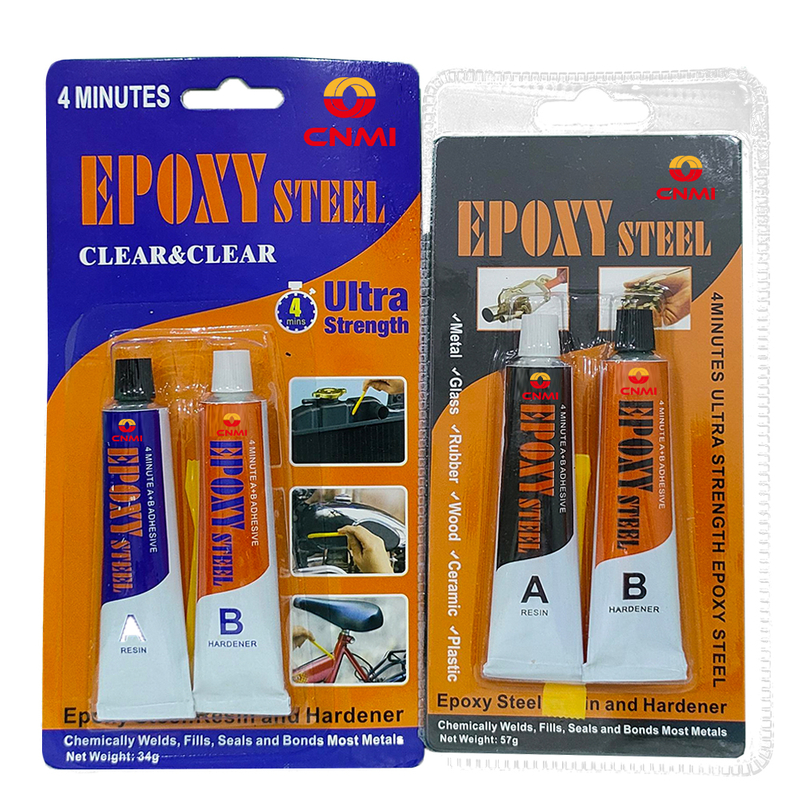
The shelf life of epoxy resin heavily depends on its composition. Typically, epoxy resin consists of two main components: the resin and the hardener. The resin is usually a liquid polymer that provides the base, while the hardener is a curing agent that initiates the chemical reaction, allowing the resin to harden.
Common Components:
● Resin: The primary substance offering durability and adhesion.
● Hardener: Activates the curing process, impacting final strength and longevity.
The specific formulation of these components can significantly affect how long the epoxy resin remains effective. For instance, some resins contain additives that enhance UV resistance or improve flexibility, which can extend their usability.
Proper storage conditions are crucial for maintaining the quality of epoxy resin. Ideally, it should be stored in a cool, dark place, away from direct sunlight and humidity. The temperature range between 5°C and 25°C is optimal for preventing degradation.
Ideal Storage Guidelines:
● Temperature: Keep it in a stable environment, ideally between 5-25°C.
● Light Exposure: Avoid exposing resin to direct sunlight to prevent chemical breakdown.
● Humidity Levels: Store in a dry area to prevent moisture absorption.
Improper storage can lead to significant quality issues. For example, exposure to high temperatures may cause the resin to thicken or cure prematurely, while high humidity can introduce moisture, leading to cloudy or ineffective mixtures.
To illustrate the impacts of poor storage practices, consider the following examples:
Condition | Effect on Epoxy Resin |
High Temperatures | Can cause the resin to become too viscous or cure too quickly. |
Excess Humidity | Leads to moisture contamination, resulting in a cloudy finish. |
If epoxy resin is stored improperly, users may find that their projects do not bond as expected or that the final product lacks clarity and strength. Understanding these factors can help ensure that your epoxy resin remains effective for as long as possible, allowing for successful applications in various projects.
When evaluating epoxy resin for expiration, a thorough visual inspection is essential. Start by looking for any noticeable color changes; fresh resin typically has a clear or slightly amber hue. If you notice a darker shade or unusual cloudiness, it could indicate that the resin has degraded. Additionally, check for sediment or particles at the bottom of the container, which are signs of separation or contamination.
Key Visual Indicators:
● Color Changes: Darkening or cloudiness suggests degradation.
● Sediment: Presence of particles can indicate separation.
● Unusual Textures: Look for any clumping or graininess.
These visual cues are critical because they can affect how the resin performs. If you see any of these signs, it’s best to avoid using the resin for important projects.
Another effective way to assess the condition of epoxy resin is through a smell test. Fresh epoxy should have a mild, chemical odor. If you detect strong or unusual odors, this can signal that the resin has begun to break down. Degradation often results in the release of volatile compounds, leading to a more pungent smell.
Odor Indicators:
● Strong Chemical Smell: Indicates potential degradation.
● Unusual or Off-Putting Odors: Suggests the resin may no longer be safe to use.
Trust your senses; if it smells off, it’s likely not worth the risk.
Viscosity is another key factor to examine when determining if epoxy resin has expired. You can test the viscosity by taking a small amount of resin and observing its flow. Stable viscosity should allow the resin to flow smoothly. If it appears thick or gooey, that’s a sign of alteration.
Viscosity Testing Tips:
● Stable Viscosity: Should flow easily and evenly.
● Altered Viscosity: Thick, sticky consistency indicates potential expiration.
Changes in viscosity can significantly impact usability. Expired resin may not cure properly, leading to weak bonds or incomplete hardening.
Conducting a simple performance test is an excellent way to verify the usability of your epoxy resin. Mix a small batch and monitor the curing time. Fresh resin typically cures within a specified timeframe, while expired resin may take longer or fail to cure entirely.
Performance Indicators:
● Curing Time: Longer than expected can signal expiration.
● Bond Strength: Test the bond by applying pressure; weak adhesion indicates issues.
For example, CNMI Industries emphasizes specific performance characteristics that should be met for their resins. If your results fall short, it’s a strong indication that the resin has expired.
Test Type | Expected Result | Expired Resin Indicator |
Curing Time | Within specified range | Longer than expected |
Bond Strength | Strong and durable | Weak or easily broken |
By paying attention to these signs, you can ensure that your epoxy resin remains effective for your projects.

Before diving into your epoxy resin project, it's crucial to perform some pre-use checks. Start by checking the expiration date on the packaging. This date gives you a good indication of whether the resin is still usable. Next, inspect the condition of the resin itself. Look for any signs of separation, cloudiness, or unusual texture. If the resin appears off in any way, it’s best to err on the side of caution and avoid using it.
Steps to Take:
● Check Expiration Date: Ensure the resin is within its usable period.
● Inspect Condition: Look for color changes, sediment, or separation.
● Smell Test: A strong or unusual odor can indicate degradation.
These simple steps can save you time and frustration during your project.
To get the most out of your epoxy resin, consider implementing some tips to extend its shelf life. Proper sealing techniques after opening the container are vital. Always ensure the lid is tightly closed to prevent moisture from entering. Additionally, store the resin in a cool, dark place.
Recommendations for Usage Frequency:
● Use Opened Products Within 1-3 Months: This timeframe helps maintain quality.
● Frequent Use: Regularly using your resin can help avoid degradation.
By following these practices, you can maximize the lifespan of your epoxy resin, ensuring it remains effective for future projects.
When the time comes to dispose of expired epoxy resin, it's important to do so safely and responsibly. Environmental considerations should always be a priority. Never pour expired resin down the drain or throw it in regular trash. Instead, look for local guidelines on hazardous waste disposal.
Proper Disposal Methods:
● Contact Professional Chemical Recycling Services: They can handle expired materials safely.
● Follow Local Regulations: Each area may have specific rules for disposal.
Taking these steps ensures that you’re not only protecting the environment but also adhering to safety standards.
Disposal Method | Description | Environmental Impact |
Professional Recycling | Contact services specializing in chemical waste | Minimizes harm to the environment |
Local Hazardous Waste Collection | Participate in community disposal events | Ensures safe handling of materials |
By being mindful of these best practices, you can enhance your epoxy resin experience while also being responsible about its use and disposal.
Understanding the expiration of epoxy resin is crucial for successful projects. Key signs of expiration include color changes, unusual odors, and altered viscosity. Proper storage practices, like sealing containers tightly and using opened resin within 1-3 months, can help maintain quality.
Stay informed by regularly checking the condition of your products. For more information on epoxy resin, explore reliable resources to enhance your knowledge and skills.
A: Unopened epoxy resin typically lasts 1-2 years, depending on storage conditions.
A: Using expired resin carries risks, including poor adhesion and incomplete curing.
A: Mixing expired resin with new hardener can lead to unpredictable results and safety concerns.
A: Store opened resin in a cool, dark place, tightly sealed to extend its shelf life.

