
Views: 0 Author: Site Editor Publish Time: 2025-11-20 Origin: Site


Are you curious about the cost of epoxy resin? This versatile material is widely used in construction, arts, and DIY projects. Its durability and eco-friendly options make it a popular choice. In this article, we’ll explore what epoxy resin is, its common applications, and the factors that influence its price.
Understanding the cost of epoxy resin requires examining several key factors. These include raw material costs, the type of epoxy resin, and production processes. Each of these elements plays a significant role in determining the final price of epoxy resin in the market.
Epoxy resin is primarily made from specific raw materials, including bisphenol A and epoxy chloropropane. These components are essential for creating the resin's unique properties. The prices of these materials can fluctuate due to various factors, such as supply chain issues or changes in demand. For instance, when the demand for bisphenol A increases in other industries, the cost of epoxy resin can rise as manufacturers face higher raw material expenses.
Here’s a quick overview of key raw materials used in epoxy resin production:
Raw Material | Description | Price Influence |
Bisphenol A | A primary building block for epoxy resins. | Price affected by demand in other sectors. |
Epoxy Chloropropane | Used in creating epoxy formulations. | Fluctuations based on production capacity. |
The type of epoxy resin significantly impacts its cost. There are standard, modified, and specialty resins, each designed for different applications. For example, standard epoxy resins are generally less expensive than modified versions, which may include additives for enhanced performance. Here’s a breakdown of price ranges for various types:
● Standard Epoxy Resin: Typically used for general purposes, ranging from $10 to $20 per gallon.
● Modified Epoxy Resin: Designed for specific applications, such as flexibility or heat resistance, costing between $20 and $50 per gallon.
● Specialty Epoxy Resin: High-performance options for industrial use can range from $50 to over $100 per gallon.
Understanding these distinctions helps consumers choose the right product for their needs while being aware of the associated costs.
The production methods used to create epoxy resin also affect pricing. Traditional manufacturing processes may yield lower costs, while advanced techniques, such as custom formulations, can increase the price due to the complexity involved. Custom formulations allow for tailored properties, such as improved adhesion or faster curing times, which can be crucial for specific projects.
Here’s a quick comparison of production methods:
Production Method | Impact on Cost | Notes |
Traditional Manufacturing | Generally lower costs | Standard properties, mass-produced. |
Custom Formulations | Higher costs due to specialized processes | Tailored for specific applications. |
By considering these factors, buyers can better understand the pricing landscape of epoxy resin and make informed decisions based on their project requirements.
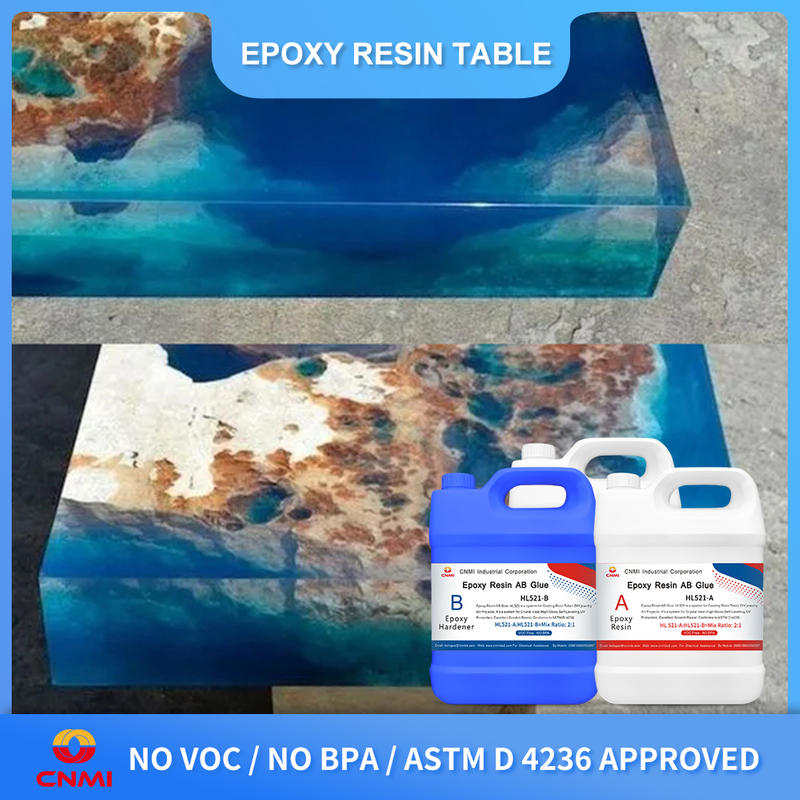
When considering the cost of epoxy resin, it's essential to recognize the various types available. Each type serves specific purposes and comes with its own price range. Let's explore the pricing for standard, modified, water-based, epoxy resin AB adhesives, and specialty products.
Standard epoxy resin is commonly used across various applications. Its price typically ranges from $10 to $25 per kilogram. This type is ideal for general-purpose projects, such as coating floors or crafting. It offers a reliable bond and is easy to work with, making it a favorite among DIY enthusiasts and professionals alike.
Application Scenario | Description |
Floor Coatings | Durable finish for residential and commercial spaces. |
Crafts and Art Projects | Ideal for creating jewelry, artwork, and home decor. |
Modified epoxy resins are designed for specific needs, such as flexibility or flame resistance. Prices for these types can vary widely, ranging from $20 to $50 per kilogram. They are often used in industrial settings where performance under extreme conditions is crucial.
● Flexible Epoxy: Great for applications requiring movement, like automotive parts.
● Flame-Retardant Epoxy: Essential for electronics and aerospace industries.
● Low-Temperature Curing Epoxy: Suitable for colder environments, ensuring proper adhesion.
Eco-friendly options are gaining popularity, especially water-based epoxy resins. These typically range from $15 to $30 per kilogram. They are particularly suitable for indoor applications due to their low VOC emissions, making them safer for residential use.
Application Areas | Description |
Indoor Flooring | Perfect for homes, offering a safe, durable finish. |
High-Demand Projects | Used in environments where safety and cleanliness are priorities. |
Epoxy resin AB adhesives offer strong bonding capabilities and generally cost between $25 and $60 per kilogram. The price can be influenced by the adhesive's specific properties, such as curing time and viscosity.
Factors Affecting Cost | Description |
Curing Time | Faster curing adhesives may cost more. |
Viscosity Level | Thicker adhesives often require more raw materials. |
These adhesives are widely used in woodworking and DIY projects, providing a robust solution for various materials.
Repair compounds and quick-drying adhesives are essential for urgent repairs. Their prices usually range from $10 to $40 per kilogram, depending on the formulation and intended use. These products are designed for quick fixes and specialized applications, ensuring you can tackle any project efficiently.
Use Cases | Description |
Urgent Repairs | Ideal for fixing broken items quickly. |
Specialized Applications | Used in niche markets, like marine repairs. |
By understanding the price ranges and applications of different epoxy resin types, consumers can make informed choices based on their specific needs and budgets.
When it comes to epoxy resin, understanding the pricing structure can significantly affect your budget and project outcomes. There are two main pricing categories to consider: bulk versus retail pricing and the impact of packaging and size on costs. Each of these factors plays a crucial role in determining how much you’ll pay for epoxy resin.
Purchasing epoxy resin in bulk can lead to substantial savings. Many manufacturers offer discounts for larger quantities, making it an attractive option for businesses or individuals with extensive projects. For instance, buying a 55-gallon drum can reduce the cost per kilogram significantly compared to purchasing smaller containers. Here's a quick comparison:
Purchase Type | Price Range per Kilogram |
Bulk (55-gallon drum) | $10 - $15 |
Retail (1-gallon can) | $20 - $30 |
This table illustrates how buying in bulk can cut costs. Additionally, manufacturers often provide better pricing than retailers, as they eliminate the middleman. This means that if you’re working on a large project or plan to use epoxy resin frequently, sourcing directly from manufacturers can be more economical.
The size of the packaging can also influence the price of epoxy resin. Smaller containers, while convenient for minor projects, tend to have a higher cost per unit. For example, a 500 ml bottle might cost around $15, while a 5-liter container could be priced at $60, offering a much lower rate per liter.
Packaging Size | Price Range | Cost Per Liter |
500 ml | $10 - $15 | $20 - $30 |
5 liters | $50 - $70 | $10 - $14 |
When selecting the right size for your needs, consider your project scope. If you're tackling a small repair, a smaller container might suffice. However, for larger applications like flooring or large crafts, opting for larger sizes can save money and reduce waste.
To maximize your budget, it’s essential to align your purchase with the demands of your project. If you're a hobbyist working on occasional crafts, retail options in smaller sizes may be more suitable. Conversely, contractors or businesses engaged in regular use should definitely consider bulk purchases to take advantage of lower prices.
● For Small Projects: Choose smaller containers to avoid excess material.
● For Large Projects: Invest in bulk to lower costs and ensure you have enough material on hand.
By understanding these pricing structures and making informed decisions, you can optimize your spending on epoxy resin and ensure you have the right amount for your projects without overspending.
When considering how much epoxy resin costs, one key factor is whether it’s domestically produced or imported. The price variations based on origin can significantly affect your budget. Let’s dive into the differences between domestic and imported epoxy resin, along with the implications of brand reputation and quality.
The pricing of epoxy resin can vary widely depending on its origin. Generally, domestic epoxy resins tend to be priced higher than their imported counterparts. This is often due to factors such as production costs, transportation fees, and compliance with local regulations. Here’s a quick overview of typical price ranges:
Origin | Price Range per Kilogram |
Domestic | $20 - $35 |
Imported | $10 - $25 |
As shown in the table, importing epoxy resin can save you money, but it’s essential to consider other factors. Brand reputation plays a significant role in pricing as well. Well-known brands often charge more due to their established trust and perceived quality. Consumers might pay a premium for domestic brands because they believe they offer superior performance or reliability.
When weighing the cost of epoxy resin, it’s crucial to understand the trade-offs between price and quality. Cheaper imported options may seem appealing, but they might not meet the same standards as domestic products. Quality is often reflected in the materials used and the manufacturing processes employed.
● Certifications Matter: Look for certifications such as ASTM or FDA. These can indicate that the product meets specific safety and quality standards. Certified products often come at a higher price point, but they provide peace of mind, especially for critical applications.
Certification | Importance | Impact on Price |
ASTM | Ensures performance standards | Higher cost for compliance |
FDA | Safety for food-related uses | Premium pricing for safety |
Understanding these trade-offs helps you make informed decisions. While you might be tempted to go for the less expensive option, investing in certified products can save you from costly mistakes down the line.
In the end, the choice between domestic and imported epoxy resin involves balancing cost, quality, and brand reputation. By considering these factors carefully, you can find the right product for your needs without compromising on quality.
When budgeting for epoxy resin projects, it’s easy to overlook some hidden costs that can add up quickly. Beyond the base price of the resin itself, there are several additional expenses to consider. Let’s explore these hidden costs, including the need for additional materials, shipping fees, and tools required for your projects.
One major aspect to consider is the cost of hardeners and additives. Most epoxy resin systems require a hardener to cure properly. The price of hardeners can vary, typically ranging from $10 to $30 per liter. Additives, such as colorants or fillers, can also increase costs. Here’s a breakdown of these additional materials:
Material Type | Price Range |
Hardeners | $10 - $30 per liter |
Additives | $5 - $15 per bottle |
Calculating total project costs is crucial. It’s not just about the resin; you need to account for the hardener and any additives you plan to use. For example, if you purchase 5 liters of resin at $20 each and 1 liter of hardener at $15, your total just for these materials would be $115. This highlights the importance of thorough budgeting before starting your project.
Another hidden cost that can affect overall pricing is shipping and handling fees. Depending on the supplier, these fees can vary significantly, especially for larger orders. For instance, shipping a large drum of epoxy resin might cost $50 to $100. This can dramatically increase your total expenses.
To minimize shipping costs, consider these tips:
● Combine Orders: If possible, order all materials at once to save on shipping.
● Local Suppliers: Look for local suppliers or stores to avoid high shipping fees altogether.
● Free Shipping Promotions: Keep an eye out for suppliers offering free shipping on larger orders.
Working with epoxy resin often requires specific tools and equipment, which can add to your overall budget. Common tools include mixing cups, stir sticks, gloves, and safety gear. Here’s a quick overview of necessary tools and their estimated costs:
Tool | Estimated Cost |
Mixing Cups | $5 - $10 |
Stir Sticks | $2 - $5 |
Safety Gear (Gloves) | $10 - $20 |
Heat Gun | $20 - $50 |
When budgeting for DIY projects, don’t forget to factor in these tool costs. Investing in quality tools can enhance your project experience and ensure better results. For example, a good heat gun can help eliminate bubbles in your resin, leading to a smoother finish.
Being aware of these hidden costs can help you plan better and avoid surprises as you embark on your epoxy resin projects. By considering all aspects of your budget, including materials, shipping, and tools, you can achieve a successful outcome without breaking the bank.
Budgeting for an epoxy resin project can be challenging, especially if you're not familiar with all the costs involved. To help you manage your expenses effectively, let’s explore some key tips for assessing your needs and finding the best deals on epoxy resin.
Before diving into your project, it’s crucial to determine the right type and amount of epoxy resin you’ll need. This starts with understanding the specific requirements of your project. Are you working on a small craft, or is it a large-scale application like a tabletop? Knowing the size and scope will help you choose the appropriate resin type—whether it’s for casting, coating, or laminating.
To calculate the amount of epoxy resin required, consider the dimensions of your project. A simple formula to estimate the volume is:
[ \text{Volume (liters)} = \text{Length (m)} \times \text{Width (m)} \times \text{Height (m)} ]
For example, if your project is a tabletop measuring 1.5m x 0.8m x 0.05m, the volume would be:
[ 1.5 \times 0.8 \times 0.05 = 0.06 \text{ liters} ]
This calculation helps you avoid overspending on excess material. Planning ahead is essential; it ensures you purchase only what you need, minimizing waste and maximizing budget efficiency.
Once you know how much epoxy resin you need, the next step is sourcing it at competitive prices. Here are some tips to help you find the best deals:
● Research Online: Websites like Amazon, eBay, and specialty craft stores often have competitive prices. Look for seasonal sales or discounts.
● Local Suppliers: Don’t overlook local hardware or craft stores. They may offer promotions that online retailers do not.
● Bulk Purchases: If you’re planning multiple projects, consider buying in bulk. Many suppliers offer discounts for larger quantities.
Here’s a quick comparison of some popular suppliers and their average pricing for epoxy resin:
Supplier | Average Price per Liter | Notes |
Amazon | $20 - $30 | Wide selection |
Home Depot | $25 - $35 | Local pick-up available |
Specialty Craft Stores | $15 - $25 | Often have sales |
Using this table, you can easily compare prices and find the best option for your budget. Additionally, check for user reviews to ensure you’re purchasing quality products.
By carefully assessing your needs and exploring various purchasing options, you can effectively budget for your epoxy resin project without overspending. This proactive approach can lead to a more enjoyable and successful crafting experience.
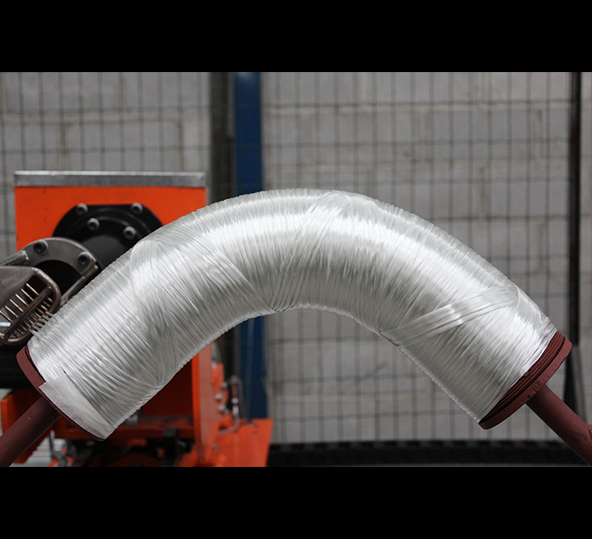
Understanding the current market trends and future outlook for epoxy resin is vital for anyone involved in industries that rely on this versatile material. Let’s delve into the dynamics shaping the epoxy resin market today and what we can expect moving forward.
The demand for epoxy resin has surged across various sectors, particularly in construction, automotive, and electronics. In construction, epoxy is favored for its durability and adhesive properties, making it ideal for flooring, coatings, and structural applications. The automotive industry also relies heavily on epoxy resin for manufacturing lightweight, high-performance parts that enhance fuel efficiency.
Sector | Key Applications | Growth Factors |
Construction | Flooring, coatings, adhesives | Increased infrastructure projects |
Automotive | Parts manufacturing, coatings | Push for lightweight materials |
Electronics | Encapsulation, circuit boards | Rise in consumer electronics demand |
Additionally, environmental regulations are influencing product offerings in the epoxy resin market. Manufacturers are increasingly focusing on developing eco-friendly formulations that align with sustainability goals. This shift not only meets regulatory requirements but also appeals to environmentally conscious consumers.
Looking ahead, several factors will impact the pricing and availability of epoxy resin. One significant aspect is the availability of raw materials. As the demand for epoxy continues to grow, fluctuations in raw material costs could lead to price increases.
● Raw Material Availability: Limited supply of key ingredients may drive prices up.
● Technological Advancements: Innovations in production processes could lower costs over time.
Moreover, innovations in epoxy resin formulations are on the rise. Manufacturers are experimenting with new blends that enhance performance while reducing costs. For instance, bio-based epoxies are gaining traction, offering a sustainable alternative without compromising on quality. These advancements could lead to a broader range of products at various price points, providing more options for consumers.
To illustrate these trends, consider the following projections for epoxy resin prices over the next few years:
Year | Expected Price per Liter | Key Influences |
2025 | $25 - $35 | Raw material costs, demand growth |
2026 | $20 - $30 | Technological improvements |
2027 | $15 - $25 | Increased availability of bio-based options |
As we navigate through these trends, it's clear that the epoxy resin market is evolving rapidly. Staying informed about these changes can help businesses and consumers make better purchasing decisions, ensuring they get the best value for their investments.
In summary, several factors influence the cost of epoxy resin. These include market demand, raw material availability, and technological advancements. Understanding these elements can help you make informed purchasing decisions.
We encourage you to share your experiences with epoxy resin projects. If you have questions or need advice, feel free to ask in the comments section!
A: The average cost ranges from $20 to $35 per liter, depending on the brand and formulation.
A: Buy in bulk, shop during sales, and compare prices across different suppliers.
A: Yes, quality varies; it's essential to check reviews and certifications before purchasing.
A: Yes, but ensure you choose a formulation specifically designed for outdoor use.
A: Follow manufacturer instructions, measure accurately, and mix thoroughly to ensure optimal results.
A: Look for certifications like ASTM or ISO, which indicate quality and safety standards.
A: Prices may fluctuate due to demand during peak construction seasons or supply chain issues.
A: Common applications include coatings, adhesives, and casting for construction, automotive, and electronics.

